Reasons to fry with EVOO
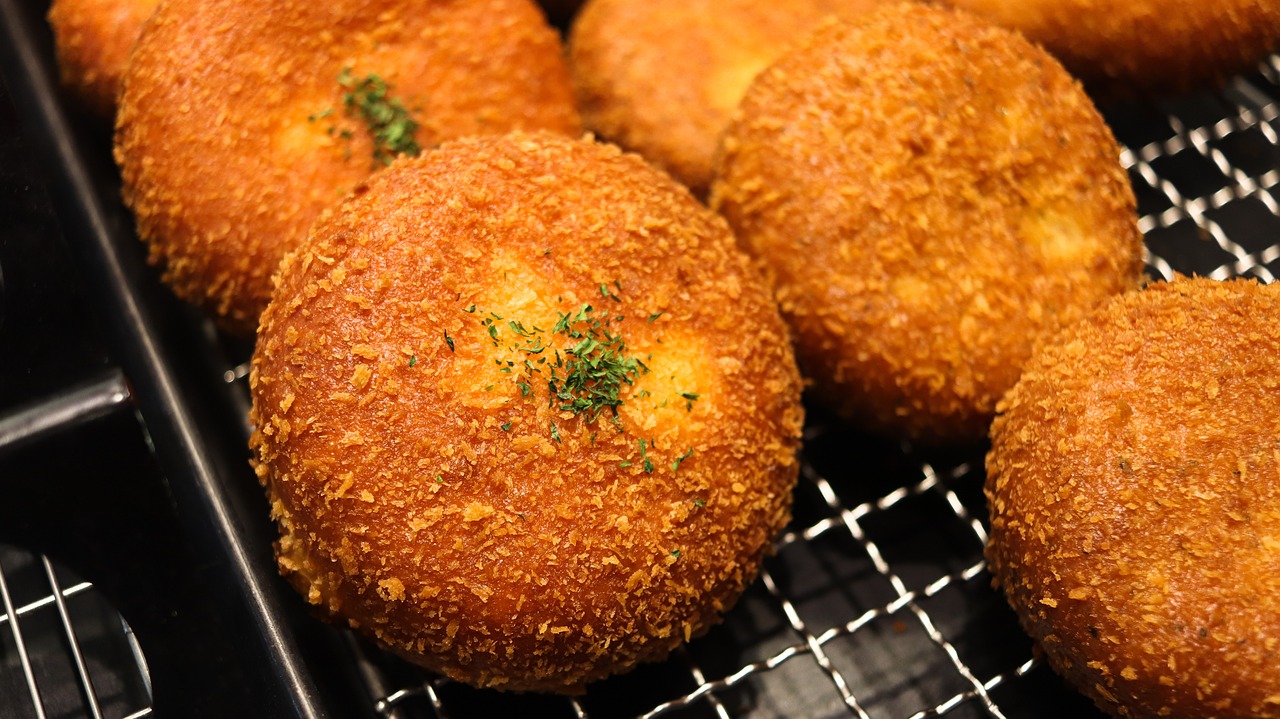
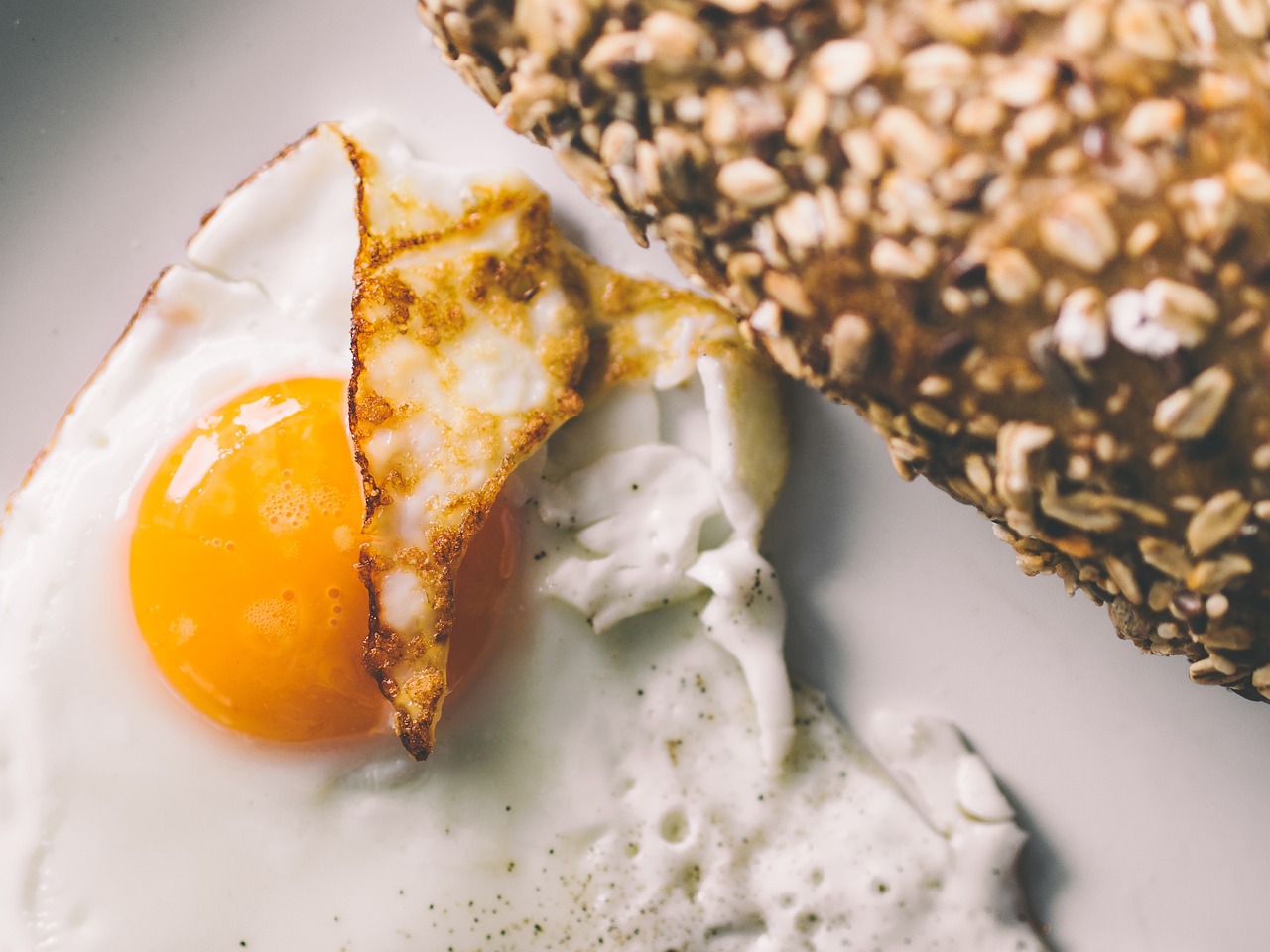
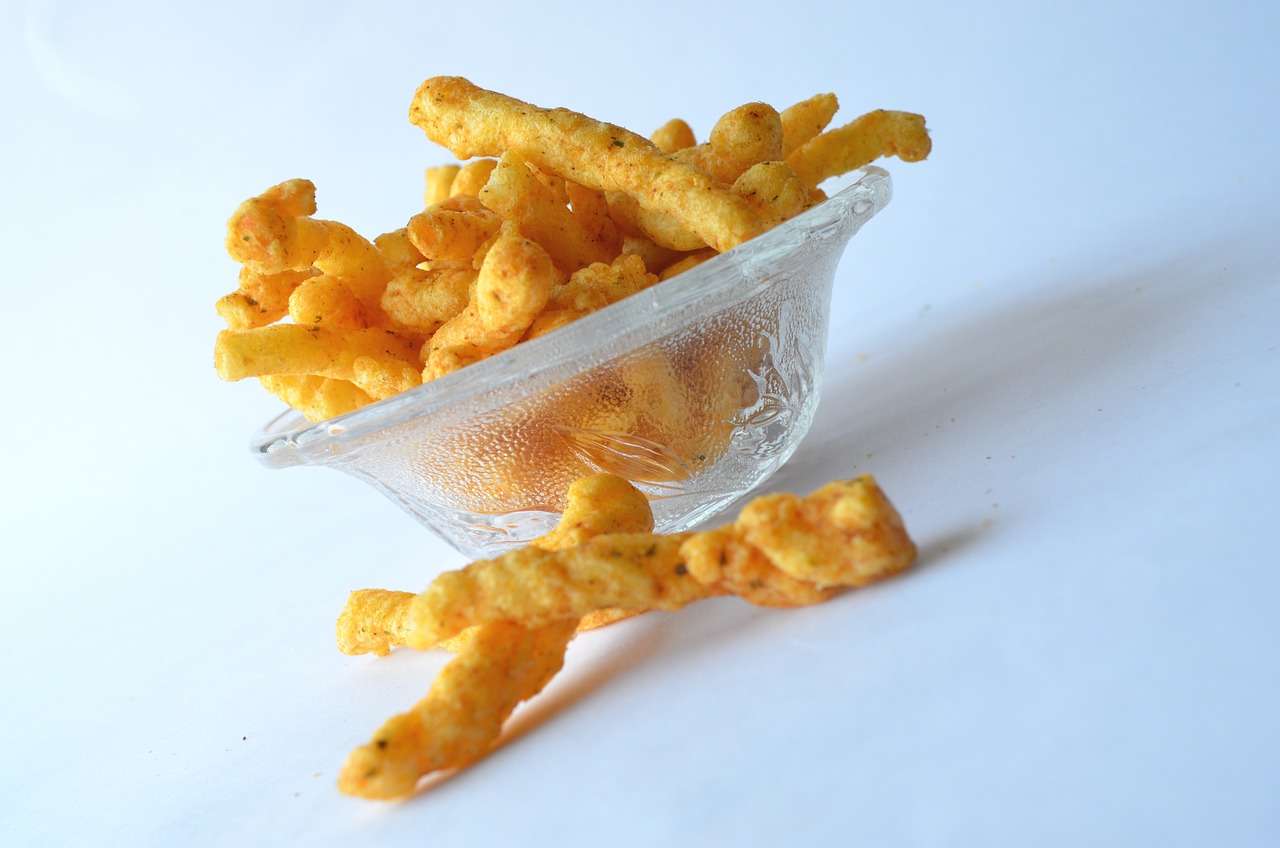
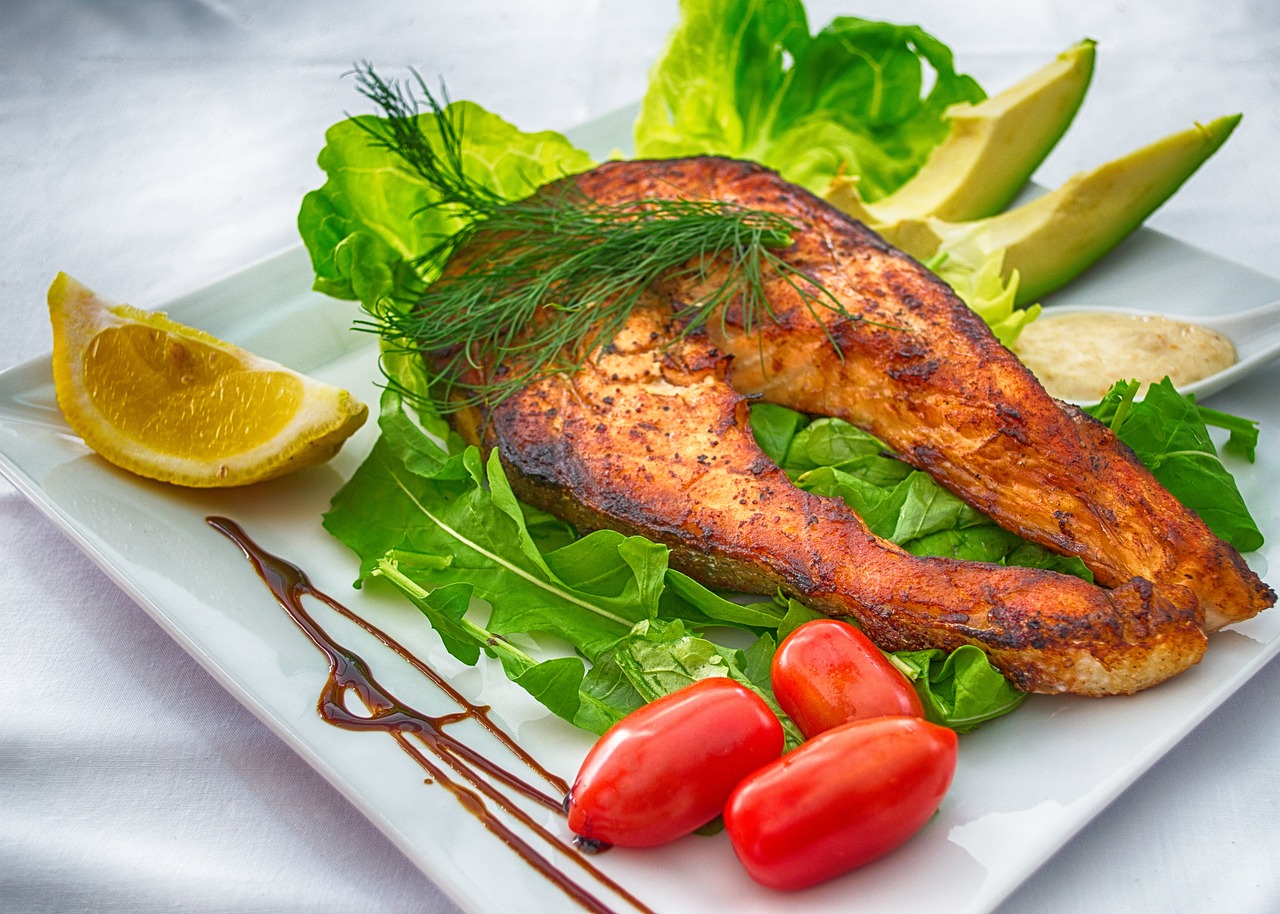
Let no one be mistaken: frying with virgin olive oil is always the best option for achieving both health and flavor. It doesn't matter what dish we're preparing: nuggets, croquettes, fritters, potatoes, fish… “It's recommended that the olive oil we use is always extra virgin, as it's the highest quality on the market,” explains chef Iolanda Bustos.
 Scroll next
The chef explains that the polyphenol chain present in extra virgin olive oil means it doesn't require as high a temperature as refined oils. The latter, Yolanda Bustos asserts, "need more heat and, therefore, burn more quickly," which not only affects the flavor but also causes a loss of nutritional properties. This is because the polyphenol chain, key antioxidants present in extra virgin olive oil, creates a barrier against the food being fried, preventing the oil from penetrating as deeply and resulting in a better flavor and texture.
“When the polyphenol chains break down, which happens when we fry with refined oils, an acid is released. That's why, on many occasions, if fried foods aren't done properly, many people can experience heartburn,” Bustos explains.
Here are some tips for frying with extra virgin olive oil to achieve perfect fried results:
- The temperature of extra virgin olive oil should not exceed 180º. If you don't know how to measure it, you can always buy a kitchen thermometer, which is inexpensive and allows you to accurately measure the temperature.
- It is recommended that the food we are going to fry be completely submerged in oil, so that it is completely sealed on all sides.
- The best way is to fry little by little, in small quantities, so that the contrast between the temperature of the food and that of the oil does not lower the latter.
- Although food fried correctly should not be oily, but rather well sealed and crispy, it is always best to drain it on kitchen paper before serving to remove any excess oil.
- If properly strained through a paper filter or a sieve that ensures no residue remains, the oil can be reused several times without affecting either health or its organoleptic properties. “Extra virgin olive oil can not only be recycled, but it should be if we also want to contribute to a more sustainable planet,” Bustos concludes.